Shakti Rising – Celebrating the Divine Feminine During Navratri
Creative Post by – Mohit
Hinduism, one of the world’s oldest and most diverse religions, is a vibrant tapestry of traditions that have evolved over millennia. At its heart is a beautiful, polytheistic vision of the divine, populated by a vast pantheon of deities, each representing a different facet of the ultimate reality. Among these, the Divine Feminine, known as Shakti, holds a place of immense power and significance.
Shakti is more than just a goddess; she is the very embodiment of cosmic energy. She is the dynamic force behind creation, preservation, and transformation in the universe. This feminine principle is celebrated in all its forms—from the creative and nurturing to the fierce and destructive—through goddesses like Durga, Kali, and Parvati. For countless devotees, the worship of Shakti is not just a ritual; it’s a source of strength, a catalyst for empowerment, and an inspiration for discussions on gender equality within the faith.
And there is no better time to witness the glory of Shakti than during the nine-night festival of Navratri.
What is Navratri?
Literally meaning “nine nights” in Sanskrit (nava meaning nine and ratri meaning nights), Navratri is a Hindu festival dedicated exclusively to the worship of the Divine Feminine. While it theoretically occurs twice a year, the most widely celebrated is the Sharada Navratri, which falls around the autumn equinox (September-October).
During these nine nights and ten days, devotees fast, pray, and celebrate through music and dance, honoring nine distinct manifestations of the goddess. Each day is dedicated to a different form of Shakti, guiding the devotee on a spiritual journey from innocence to ultimate wisdom and power.
The Nine Nights of the Goddess: A Journey of Transformation
Let’s walk through the nine divine forms of the goddess venerated during Navratri:
Day 1: Shailaputri – The festival begins with the worship of Shailaputri, the “daughter of the mountain.” An incarnation of Parvati, she represents the pure and foundational power of nature, embodying innocence and strength.
Day 2: Brahmacharini – This day is devoted to the goddess in her form as a devoted seeker. Brahmacharini represents the pursuit of knowledge, wisdom, and penance, encouraging a path of righteousness.
Day 3: Chandraghanta – Worshipped on the third day, Chandraghanta, whose name derives from the crescent moon (ardhachandra) on her forehead, symbolizes both beauty and bravery. She is the embodiment of grace under pressure.
Day 4: Kushmanda – The fourth day honors Kushmanda, the creator of the universe. It is believed she brought the world into existence with her divine smile. She is associated with the creative life force and the endowment of vegetation on earth.
Day 5: Skandamata – As the mother of the war god Kartikeya (Skanda), Skandamata symbolizes the fierce and protective love of a mother. She represents the transformative strength a mother embodies when her child is in danger.
Day 6: Katyayani – This day is for the fierce and powerful Katyayani. Born to destroy evil, she is a warrior goddess associated with raw courage and valor, considered one of the most violent forms of Devi.
Day 7: Kalaratri – On the seventh night, we meet Kalaratri, the most fearsome form of Durga. She is the destroyer of ignorance, darkness, and evil. While her appearance is terrifying, she annihilates only what holds us back, paving the way for light.
Day 8: Mahagauri – Symbolizing purity and peace, Mahagauri is worshipped on the eighth day. Often depicted in white attire, she represents the cleansing of the soul and the serenity that follows inner purification.
Day 9: Siddhidatri – The final day is dedicated to Siddhidatri, the “giver of supernatural powers.” She is believed to grant all types of spiritual accomplishments (siddhis), representing the culmination of the spiritual journey and the attainment of divine blessings.
A Pan-Indian Celebration: Diverse Expressions of Devotion
The beauty of Navratri is how it is celebrated differently across India, reflecting the country’s rich cultural diversity.
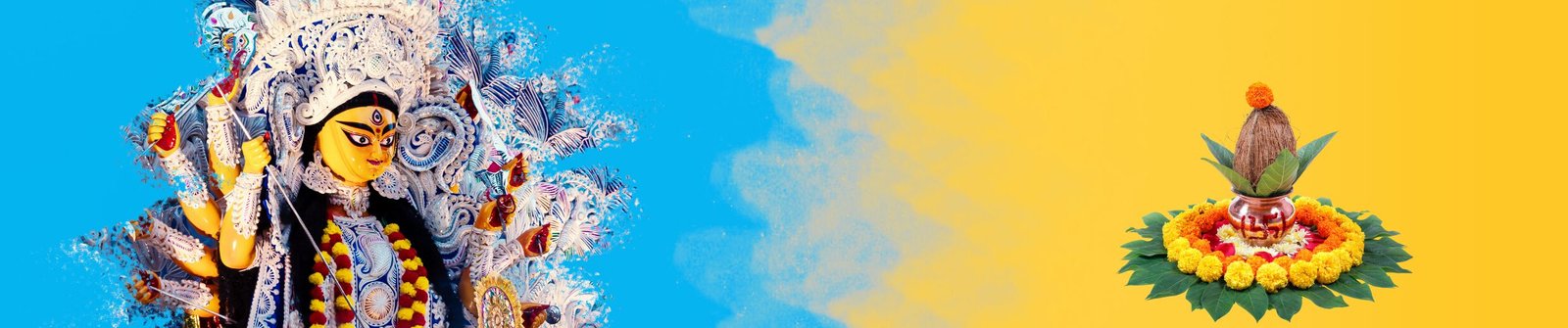
In the East (Durga Puja): In West Bengal, Odisha, and other eastern states, Navratri is celebrated as the grand Durga Puja. The festival is a major social and cultural event, marked by incredibly artistic temporary stages (pandals) housing magnificent idols of Goddess Durga. The air is filled with excitement, devotion, and the rhythmic beating of drums.
In the West (Gujarat): In Gujarat, Navratri is one of the year’s most vibrant festivals. The nights come alive with the energetic folk dances of Garba and Dandiya Raas. People dressed in colorful traditional attire form concentric circles, dancing and clapping to devotional music. The dance with decorated sticks (dandiyas) is a beautiful and playful celebration of community and joy.
The Eternal Message of Shakti
Navratri is more than a festival; it’s a powerful reminder of the divine energy that permeates our universe. It symbolizes the ultimate victory of good over evil and the empowerment of the feminine principle—a principle of strength, creativity, and transformative power. Whether through quiet prayer or exuberant dance, Navratri invites everyone to connect with the Shakti within themselves and in the world around them.
How will you connect with your inner strength this season?